Cessna Nose Gear Strut Assembly: Replacement Nose Landing Gear Component
Cessna Nose Gear Strut Assembly: Replacement Nose Landing Gear Component
Blog Article
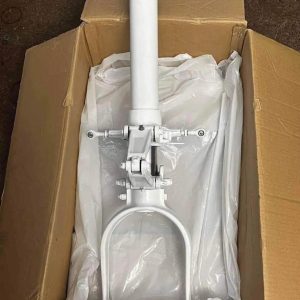
The Cessna Nose Gear Strut Assembly should be selected only after confirming the aircraft model, serial-number range, mounting arrangement, dimensions, included hardware, inspection history, and technical documentation.
The Cessna Nose Strut may provide shock absorption and structural support, but actual functions depend on the complete assembly and aircraft configuration.
The Cessna Front Landing Gear Assembly, Aircraft Nose Gear Strut, Aircraft Nose Landing Gear Assembly, and Cessna Shock Strut Assembly terms describe related ground-support and impact-management components.
The Cessna Landing Gear Assembly functions as a coordinated system, while the Aircraft Landing Gear Strut should not be evaluated separately from its mounts, steering, wheel, tire, and surrounding structure.
General Aviation Landing Gear Parts listings should provide exact identification, condition, measurements, records, and included components for professional evaluation.
Identifying the Complete Nose Gear Component
The seller should provide clear photographs of the cylinder, piston, fork, steering features, mounting points, torque links, hardware, and identification markings.
Transparent package details improve the commercial value of the Cessna Nose Gear Strut Assembly.
Evaluating Landing Gear Structural Responsibilities
The nose gear supports a portion of the aircraft’s ground weight and transfers loads into designated airframe attachment points.
Inspection should extend beyond the removable assembly to the mounting areas, firewall or support structure, brackets, steering components, wheel fork, and surrounding fasteners where applicable.
Managing Landing and Taxi Impacts
Proper operation depends on correct servicing, internal condition, seal integrity, surface finish, alignment, and absence of contamination.
Servicing values should come from applicable maintenance information rather than estimates based on another Cessna model.
Maintaining Predictable Taxi Control
Loose steering components can contribute to poor directional response, uneven tire wear, shimmy, and unpredictable ground handling.
Professional adjustment protects the Cessna Steering Strut Assembly and connected components.
Verifying Illustrated Parts Catalog Information
The buyer should compare the offered unit with current illustrated-parts, maintenance, and installation information.
The complete receiving-aircraft configuration should be reviewed before purchase.
Evaluating the Cessna Nose Strut Body
The strut cylinder and piston surfaces should be examined for scoring, corrosion, pitting, scratches, impact marks, discoloration, and evidence of improper tool use.
Qualified inspection protects the long-term value of the Cessna Landing Gear Strut.
Seal Condition and Fluid Leakage
Repeated wiping without correcting the source does not constitute proper repair.
Professional service supports reliable shock absorption and reduced maintenance recurrence.
Maintaining Protective Finishes
Pitting depth, location, and remaining material can influence repairability or replacement decisions.
Protective coatings should be checked for chips, lifting, abrasion, bubbling, poor adhesion, and incompatible refinishing.
Determining the Need for Nondestructive Testing
Some defects may be difficult to identify without cleaning, magnification, dimensional comparison, or suitable nondestructive inspection.
A damaged assembly may also indicate concerns in the surrounding airframe structure.
Wheel Fork, Axle, and Nose Wheel Components
Clear package information helps buyers estimate the complete repair cost.
Professional assembly supports dependable Cessna Nose Wheel Strut performance.
Maintaining Strut Alignment
Torque links and related pivot components help maintain alignment between moving portions of many nose gear strut designs.
System-level maintenance protects the Aircraft Nose Landing Gear Assembly.
Shimmy, Vibration, and Uneven Tire Wear
Nose-wheel shimmy can result from worn bushings, loose torque links, tire imbalance, wheel-bearing play, incorrect tire pressure, steering looseness, alignment issues, or structural wear.
Professional evaluation promotes smoother ground handling and longer component life.
Servicing the Cessna Shock Strut
Shock-strut servicing should follow the exact aircraft maintenance procedure for fluid type, quantity, pressure, extension, loading condition, and safety precautions.
Proper servicing protects the Aircraft Landing Gear Strut and surrounding structure.
Distinguishing Inspection from Overhaul
Clear terminology helps buyers understand the actual condition of the assembly.
Some components may be repairable while others require replacement.
Buying a Cessna Nose Gear Strut Assembly
Detailed review reduces unsuitable purchases and unexpected overhaul costs.
- Resolve identity, applicability, condition, and package-completeness questions before payment.
- Do not treat clean paint, smooth movement, or a removed-serviceable statement as proof of current installation eligibility.
- Confirm the sales invoice, payment protection, packaging method, freight insurance, inspection period, return terms, and stated assembly condition.
Safe Freight Handling Procedures
The assembly should be secured in check here a rigid crate or suitable container that supports its weight without loading the piston, fork, fittings, steering components, or delicate surfaces.
Careful freight preparation reduces damage to the Cessna Landing Gear Assembly.
Preventing Corrosion and Seal Damage
Responsible storage preserves the future usefulness of the Cessna Nose Strut.
Organized storage supports the commercial value of General Aviation Landing Gear Parts.
Connecting Steering and Structural Components
Installation should be completed by appropriately qualified aviation maintenance personnel using applicable Cessna airframe, landing-gear, steering, and component information.
Disciplined workmanship supports reliable Cessna Front Landing Gear Assembly operation.
Any abnormal indication should receive prompt evaluation before further operation.
Reducing Landing Gear Wear
Routine maintenance should include inspection of the piston, cylinder, seals, fluid leakage, extension, fork, axle, wheel, tire, bearings, torque links, steering parts, fasteners, and mounting structure.
Maintenance records should identify findings, measurements, servicing, parts replaced, repairs, dates, and personnel involved.
Commercial Value of a Cessna Nose Gear Assembly
Clean paint may improve presentation but does not replace structural, dimensional, and functional evaluation.
The lowest-priced assembly may not offer the lowest installed cost when major repairs or missing parts are discovered.
Buying a Replacement Cessna Front Gear Assembly
For a properly matched Cessna aircraft, the assembly can support dependable ground handling when professionally inspected, serviced, installed, and maintained.
The assembly should be evaluated with the receiving aircraft’s structure, steering, wheel, tire, alignment, servicing, and installation requirements in mind.
Whether the requirement is a Cessna Nose Landing Gear Strut, Cessna Nose Gear Assembly, Cessna Landing Gear Strut, or Cessna Nose Strut, exact identification should guide the purchase.
With responsible purchasing, crack and corrosion inspection, seal evaluation, correct hardware, controlled servicing, and ground-handling checks, the component can remain a valuable aviation asset.
Report this page